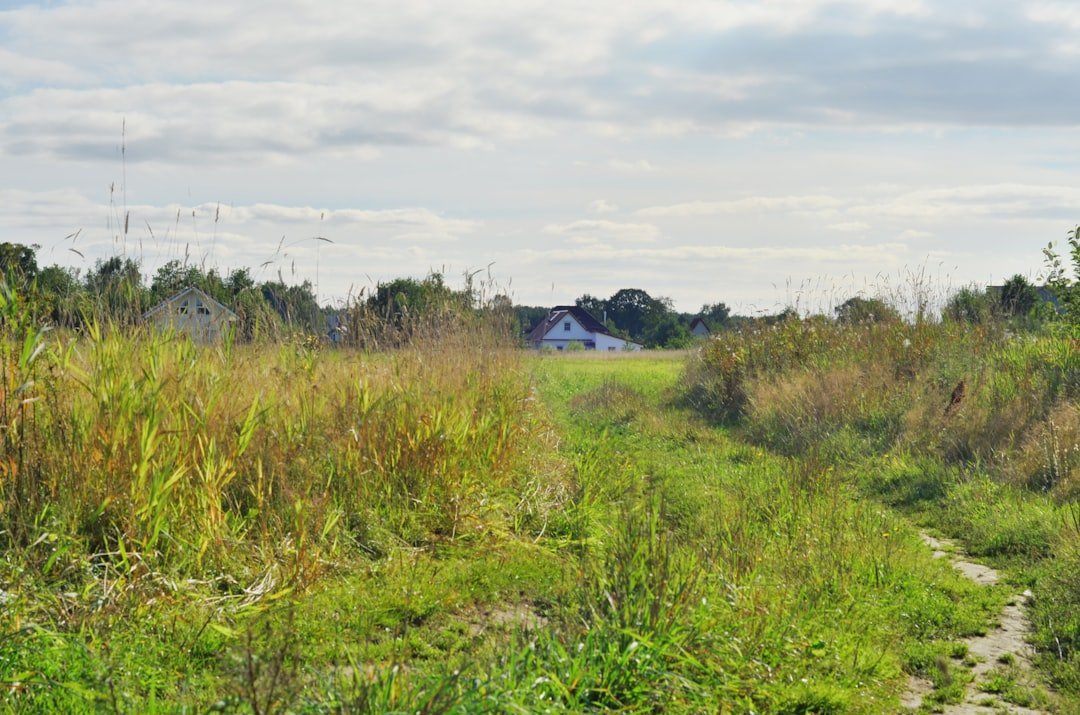
Canyon County, Idaho — Farmers, ranchers, and agricultural advocates across Canyon County are mobilizing to protect the region’s agricultural identity as development pressure, water policy debates, and economic challenges threaten to shrink the farmland base that has defined the Treasure Valley for generations. From the fields surrounding Caldwell and Nampa to the irrigated stretches near Lake Lowell and Deer Flat, Idaho’s agricultural community is pushing back against forces that could permanently alter the rural landscape.
Background: Canyon County’s Deep Agricultural Roots
Canyon County has long been one of Idaho’s most productive agricultural counties, with fertile soils, irrigation access, and a farming culture stretching back more than a century. The region supports a wide range of operations — dairy farms, cattle ranches, row crops, sugar beets, specialty vegetables, and seed production — that collectively contribute hundreds of millions of dollars annually to the local economy.
But the same proximity to Boise that makes Canyon County an attractive place to live is also driving the rapid residential and commercial development that is eating into working farmland. As new subdivisions push outward from Nampa and Caldwell, agricultural operators are increasingly finding themselves surrounded by housing developments, facing rising land values, higher property taxes, and growing conflict with non-farm neighbors unaccustomed to the realities of farming life — including equipment noise, dust, and the smell of livestock.
Agricultural advocates say the stakes could not be higher. Once farmland is converted to residential or commercial use, it is nearly impossible to return it to productive agriculture. The loss is permanent.
Key Challenges Facing Canyon County Farmers
Several intersecting pressures are converging on Canyon County’s agricultural sector at once. Rising land values driven by the Treasure Valley’s population boom have made it financially difficult for younger farmers to acquire land or for existing operators to expand. Landowners in rural areas near Middleton and Caldwell are increasingly being approached by developers offering prices well above agricultural land value — making it hard for farm families to say no.
Water access remains another critical concern. Irrigation rights tied to the Snake River system and Lake Lowell reservoir are central to the viability of Canyon County agriculture. Ongoing debates at the state level over water allocation, combined with drought conditions in recent years, have added uncertainty to the long-term planning horizon for farm operations.
Meanwhile, some county zoning decisions have allowed residential development in areas traditionally designated for agricultural use, raising alarm among farming advocates who say local government should be doing more to protect agricultural buffer zones and preserve the county’s rural character. Lawmakers and farm groups have been pushing for stronger right-to-farm protections that would shield existing agricultural operations from nuisance complaints filed by new residential neighbors.
On the national front, some Canyon County farmers are also watching with interest as bipartisan U.S. senators call for an investigation into farm equipment companies moving manufacturing jobs to Mexico — a move that could affect equipment costs and supply chains for Idaho producers already operating on tight margins.
Impact on Canyon County Residents
The health of Canyon County’s agricultural sector reaches far beyond the farm gate. Dairies, processing facilities, equipment dealers, feed suppliers, and agricultural lenders all depend on a thriving farming community. A significant contraction in farmland or farm operations would ripple through the local economy, affecting jobs and small businesses across Nampa, Caldwell, Middleton, and surrounding communities.
Farm families also represent a core constituency in Canyon County’s civic life — grounded in values of hard work, stewardship of the land, property rights, and self-reliance. Many residents see the preservation of agricultural land not just as an economic issue but as a matter of community identity and quality of life.
State budget pressures are also a backdrop concern. As Idaho grapples with spending decisions — including recent Governor Brad Little’s approval of $22 million in Medicaid disability budget cuts — farm families are watching to see whether state government will prioritize resources that support rural communities and agricultural infrastructure. For more on statewide policy affecting Idaho’s agricultural and rural communities, visit Idaho News.
What Comes Next
Agricultural advocates in Canyon County are urging residents, landowners, and local elected officials to take action before more farmland is lost. Steps being discussed include strengthening county zoning protections for agricultural land, expanding agricultural conservation easement programs, and ensuring that water rights tied to Canyon County farmland are defended at the state level.
Farm bureau representatives and local agricultural groups are expected to continue engaging with the Canyon County Board of Commissioners on zoning and land use policy throughout 2026. Farmers and residents who want to participate in the process are encouraged to attend public meetings and make their voices heard before decisions are made that cannot be undone.