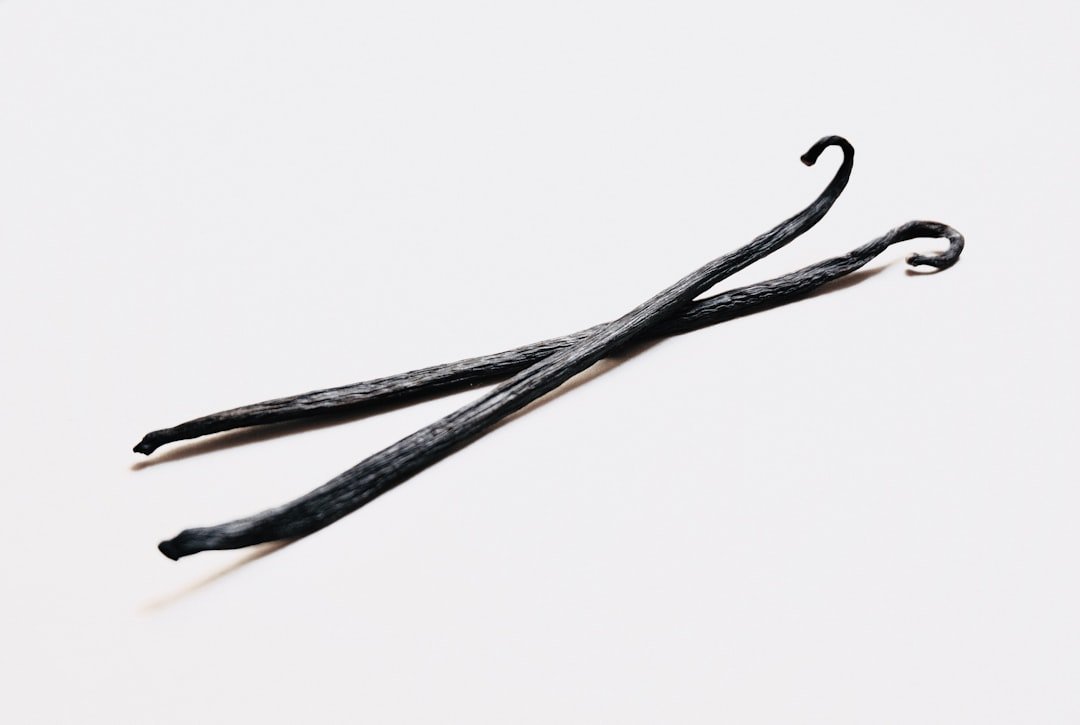
A Nampa, Idaho business is carving out a unique niche in the global agricultural supply chain, helping small vanilla farmers from remote Pacific islands and Southeast Asia reach buyers in the United States they could never access on their own. Jones & Co. Inc., Vanillas of the World, founded by Ted Jones, is bridging a critical gap in one of the world’s most labor-intensive and valuable commodity crops — and doing it from the heart of Canyon County’s agricultural community.
The Challenge Behind the Crop
Vanilla may be a household staple, but its production is anything but simple. According to Jones, the vanilla plant flowers for only about four hours on a single day each year, and during that narrow window, farmers must hand-pollinate every blossom by hand. After pollination, the crop takes nine months to produce a bean — one that initially resembles a green bean and carries no flavor whatsoever.
“It flowers for one for about four hours, one day a year, and you have to hand-pollinate it,” Jones said. “Then it takes nine months to produce a bean, and it looks just like a green bean, and it has zero flavor. So, I don’t know how they ever figured all this out.”
Even after harvest, the process is far from over. Vanilla beans must go through months of curing and drying before they develop the rich flavor consumers expect. That complexity makes vanilla one of the most demanding crops grown anywhere in the world.
Small Vanilla Farmers Left Behind by Big Industry
Despite the enormous global demand for vanilla, many small-scale growers find themselves locked out of the U.S. market entirely. Jones explained that small producers in places like Vanuatu, Fiji, and Taiwan — some yielding only five to 100 kilograms per season — simply fall beneath the threshold that large vanilla extract manufacturers are willing to consider.
“No vanilla extract manufacturer in the United States is even going to waste their time on that,” Jones said. “They either have to sell it in country, or they’ve got to find somebody like us.”
That’s precisely the role his Nampa-based operation fills. Jones & Co. works with growers ranging from individual farmers to cooperative operations, creating a viable market pathway for vanilla that would otherwise have no route to American buyers. For Jones, this mission is rooted in personal experience. He studied farm management and spent his formative years working on a small family farm, giving him a grounded understanding of the obstacles that smaller agricultural operations face against larger, better-resourced competitors.
“I know how difficult it is for them, and they don’t have a lot of the advantages that the big guys have,” Jones said.
Research and Innovation Drive the Business Forward
Beyond connecting buyers and sellers, Jones has invested significantly in understanding vanilla at a scientific level. His company partnered with the Boise State University chemistry department to identify the chemical compounds present in vanilla beans sourced from different regions around the world — work that has produced some surprising findings.
“We have Cook Islands vanilla. It smells like cotton candy,” Jones said. “What we found was that we had things that were very similar chemically, but there was no correlation to the aromas, and how can that be?”
Jones and his network of growers also collaborate with the Tropical Research Center at the University of Florida on DNA sequencing of vanilla samples. That research helps universities better understand the origins and characteristics of different vanilla varieties while giving individual growers clearer knowledge of what they are cultivating. Jones said he plans to expand that DNA research across more growers worldwide.
Vanilla is typically grown in tropical regions near the equator, and the crop cannot tolerate frost or temperature drops — conditions that make large-scale domestic U.S. production difficult. However, Jones is keeping a close eye on experimental growing efforts currently underway in Hawaii and Florida.
What Comes Next for Canyon County’s Vanilla Connection
Jones, who noted he has spent nearly 30 years in the vanilla trade, said the more time he spends in the business, the more he recognizes how much remains unknown about the crop. That curiosity continues to drive both the science and the commerce behind his Nampa operation.
For Canyon County residents and agricultural observers across the Treasure Valley, Jones & Co. represents a model of how Idaho-based businesses can compete in global markets by finding specialized niches and championing the kind of small-scale, family-rooted farming that has long defined the region’s agricultural identity. For more on Idaho’s agricultural economy, visit Idaho News.